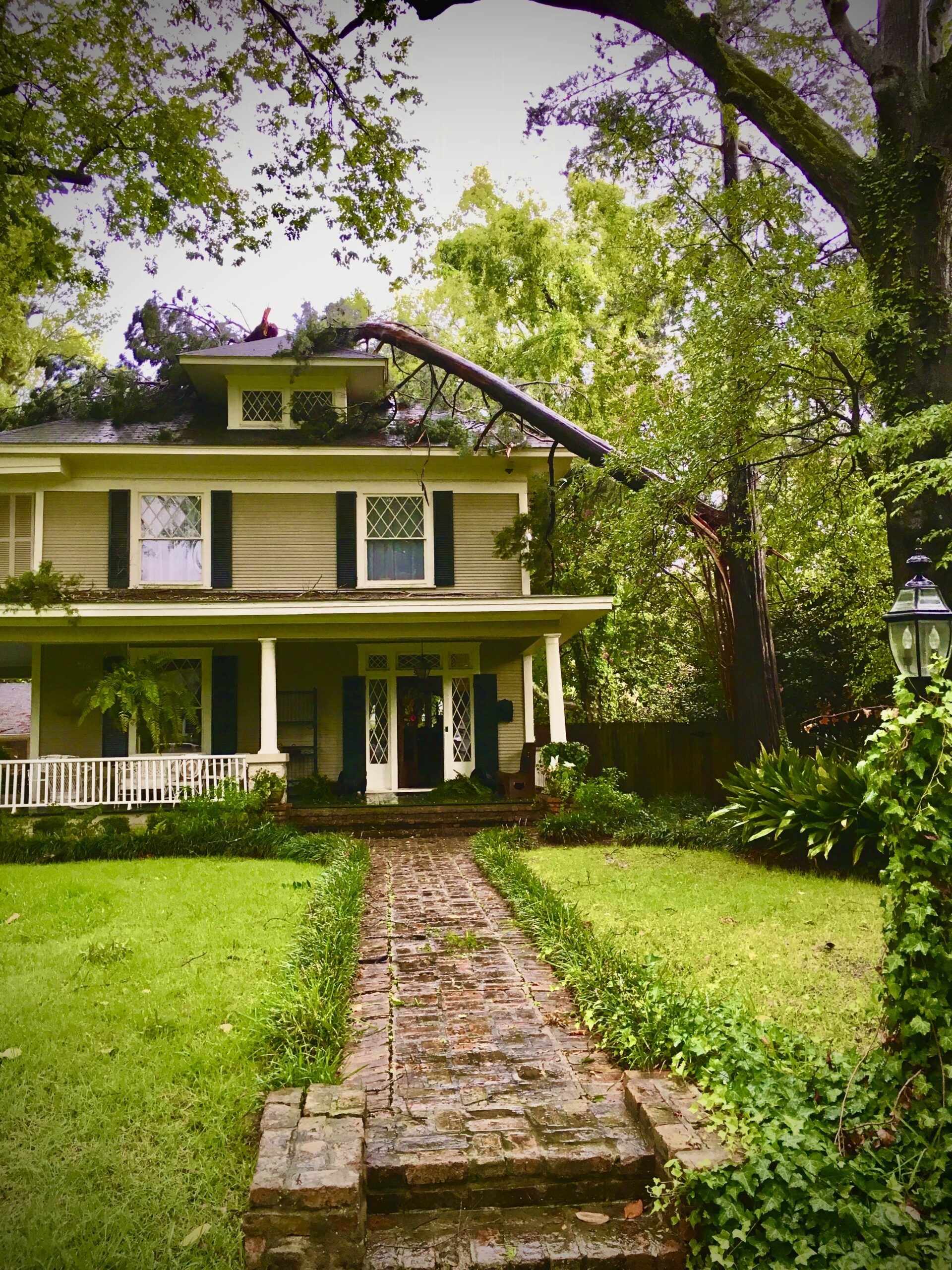
When disaster strikes-whether it’s a storm, fire, or burst pipe-the aftermath can feel overwhelming. Beyond the immediate cleanup, homeowners and business owners face the challenge of navigating insurance claims and coordinating the rebuild. Understanding how the insurance and build-back process works can make recovery smoother, faster, and less stressful.
Step 1: Assessing the Damage
The first step after any property loss is to assess the extent of the damage. This often involves bringing in restoration professionals to document what’s been affected and prevent further loss (for example, water mitigation after flooding or board-up services after a fire).
Detailed documentation-including photos, written descriptions, and moisture readings-is key. This evidence supports your insurance claim and helps ensure all repairs are covered.
Step 2: Filing the Insurance Claim
Once the damage is assessed, it’s time to file your claim. You’ll work with your insurance company’s adjuster, who evaluates the loss and determines what’s covered. Having a trusted contractor or restoration specialist involved early helps ensure the adjuster sees the full scope of the damage-not just the surface issues.
Experienced restoration contractors can communicate directly with your insurance company to clarify costs, materials, and repair timelines. This partnership helps avoid delays or disputes later in the process.
Step 3: Mitigation Before Rebuilding
Before rebuilding begins, mitigation must be completed. This includes removing damaged materials, drying or cleaning affected areas, and ensuring the structure is safe and stable. Insurance typically covers mitigation as part of the overall claim.
Mitigation is critical-skipping this step can lead to mold, structural issues, or additional expenses later on.
Step 4: The Build-Back Process
Once mitigation is complete and your claim is approved, the build-back phase begins. This is where your home or business is restored to its pre-loss condition-or even improved with modern updates.
Build-back may include:
Framing and drywall repair
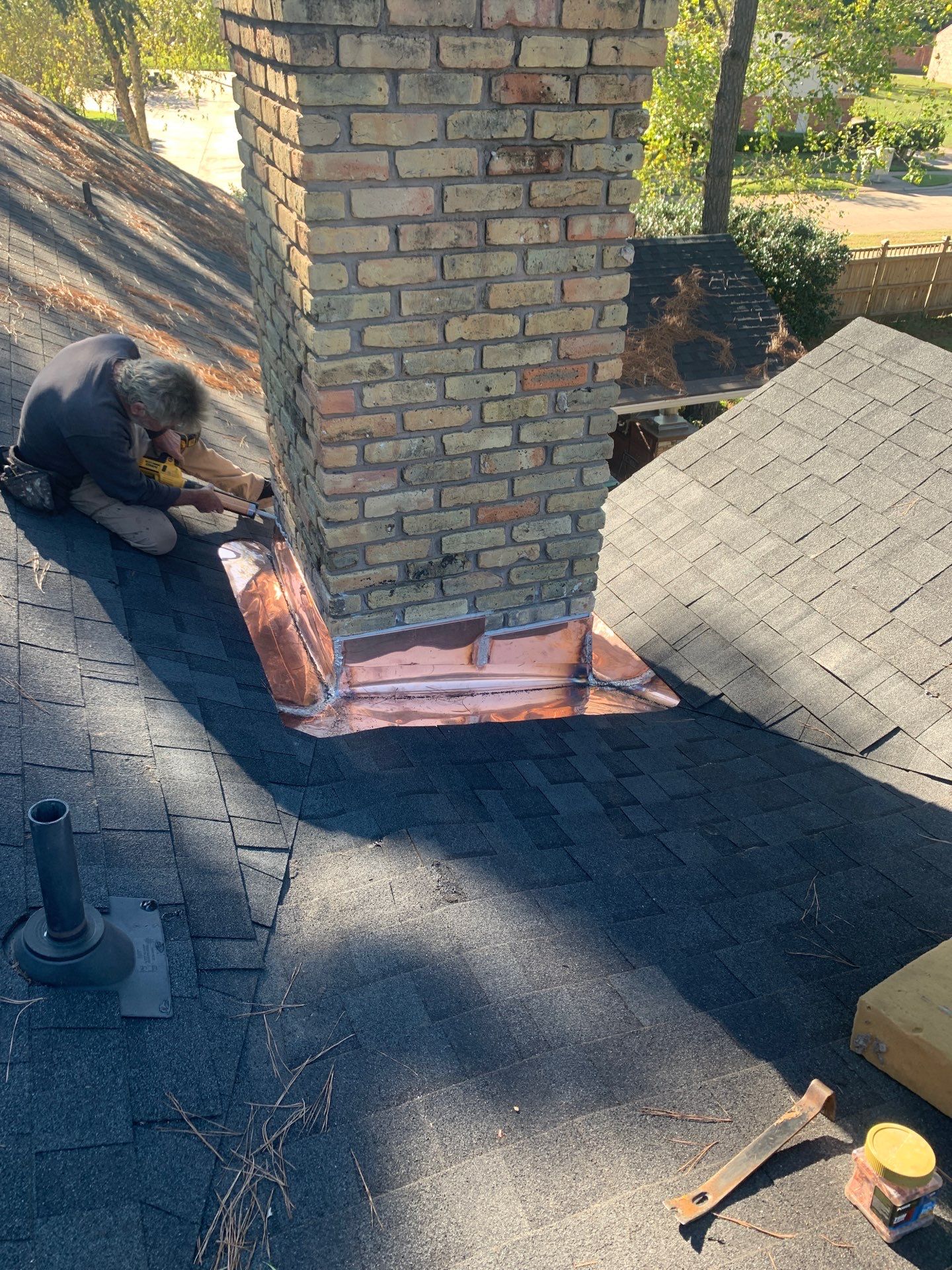
Roofing and siding replacement
Flooring, cabinetry, and painting
Plumbing, electrical, and HVAC restoration
A quality contractor will provide clear timelines, transparent communication, and help you choose finishes that meet your budget and insurance coverage.
Step 5: Final Inspection and Peace of Mind
Before the project is complete, a final inspection ensures that everything is safe, functional, and finished to your satisfaction. The goal is not just to rebuild the structure-but to restore your peace of mind.
Partnering with the Right Team
Navigating insurance claims and the build-back process doesn’t have to be stressful. Working with a trusted restoration and construction partner makes all the difference. From documentation and communication with your insurer to the final coat of paint, a skilled team ensures your property is fully restored-and that you can move forward confidently.
Share this story