Historic homes are treasures—living pieces of architectural and cultural history that tell stories of craftsmanship, design, and life in earlier times. Yet owning and working on one comes with unique challenges, especially when it comes to construction and renovation. Whether restoring a Victorian farmhouse, repairing a colonial-era brick home, or updating a mid-century bungalow, construction in historic homes requires a delicate balance between preserving authenticity and meeting modern needs.
Understanding the Value of Historic Homes
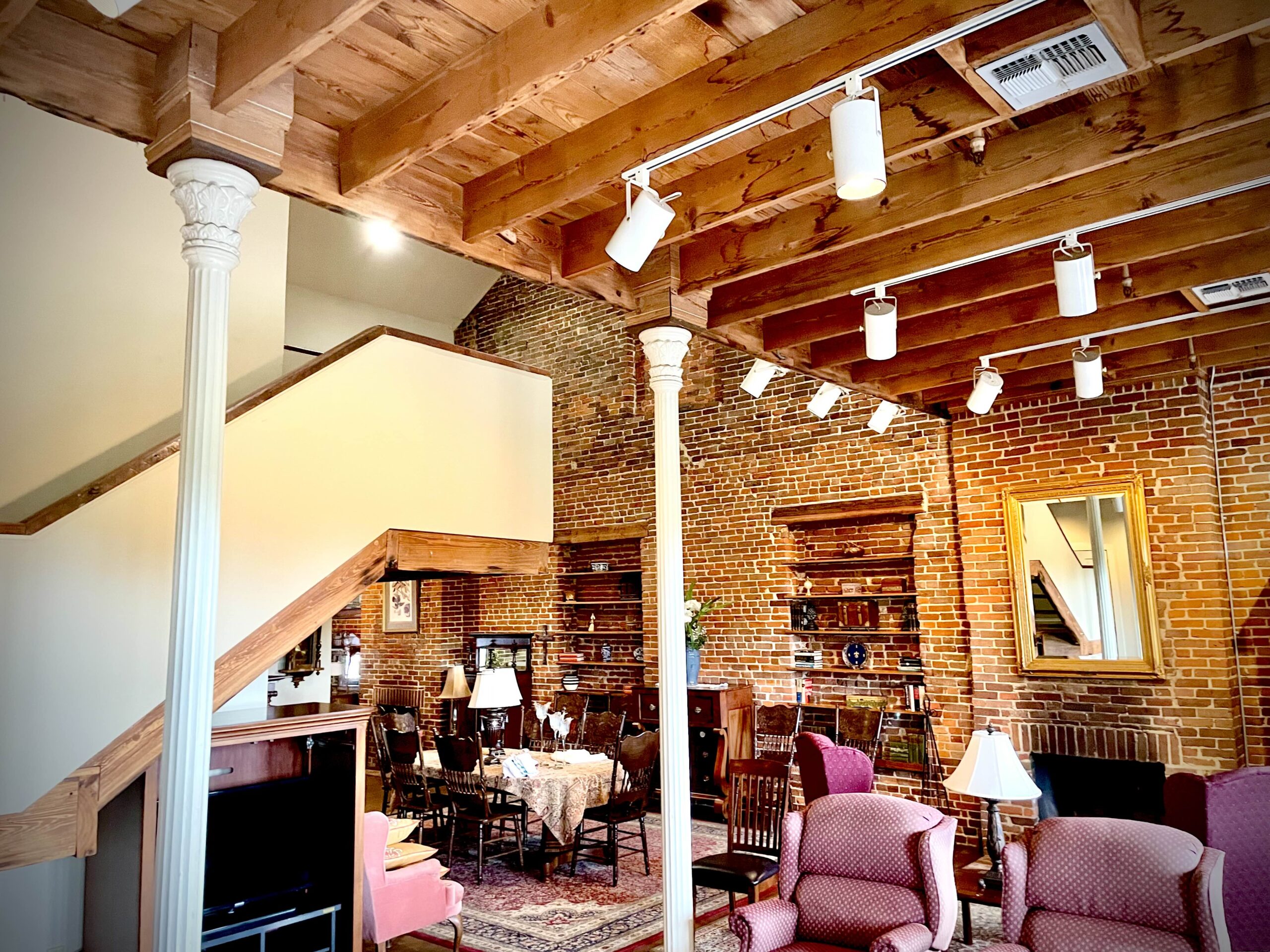
Every historic property has its own character. From hand-carved woodwork and slate roofing to original stone foundations and plaster walls, these details showcase artistry that modern building methods often can’t replicate. Preserving these features isn’t just about nostalgia—it’s about maintaining a piece of community heritage and protecting long-lasting craftsmanship.
Key Considerations in Historic Home Construction
- Respecting Original Materials
One of the most important aspects of historic construction is using materials that match or complement the originals. For example:
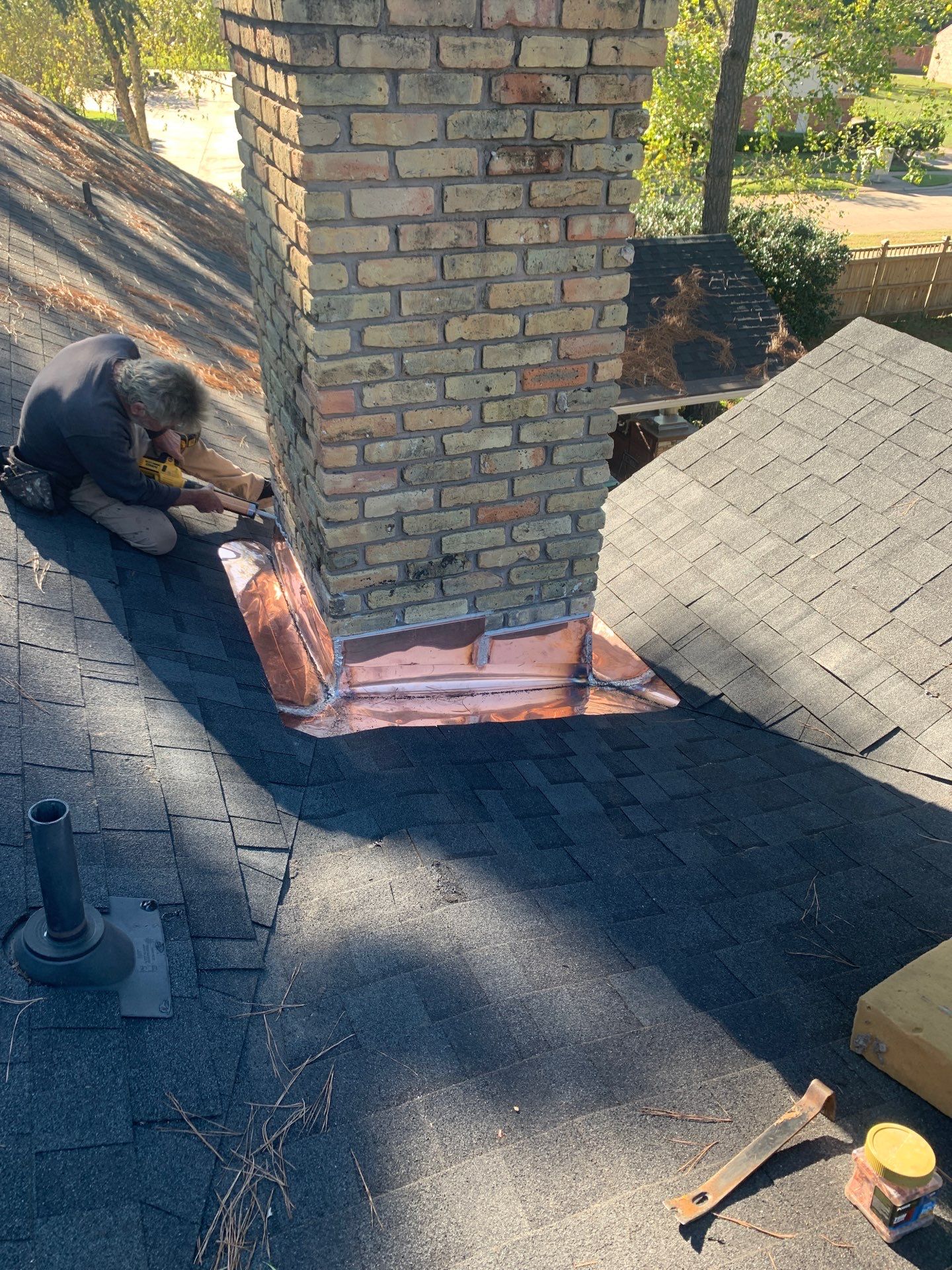
Repointing mortar in old brick homes with historically appropriate mixtures
Repairing slate or cedar roofs with similar materials
Matching original wood trim or flooring with reclaimed lumber
Modern substitutes may be tempting, but mismatched repairs can cause long-term damage and diminish the home’s historic character.
- Working with Structural Challenges
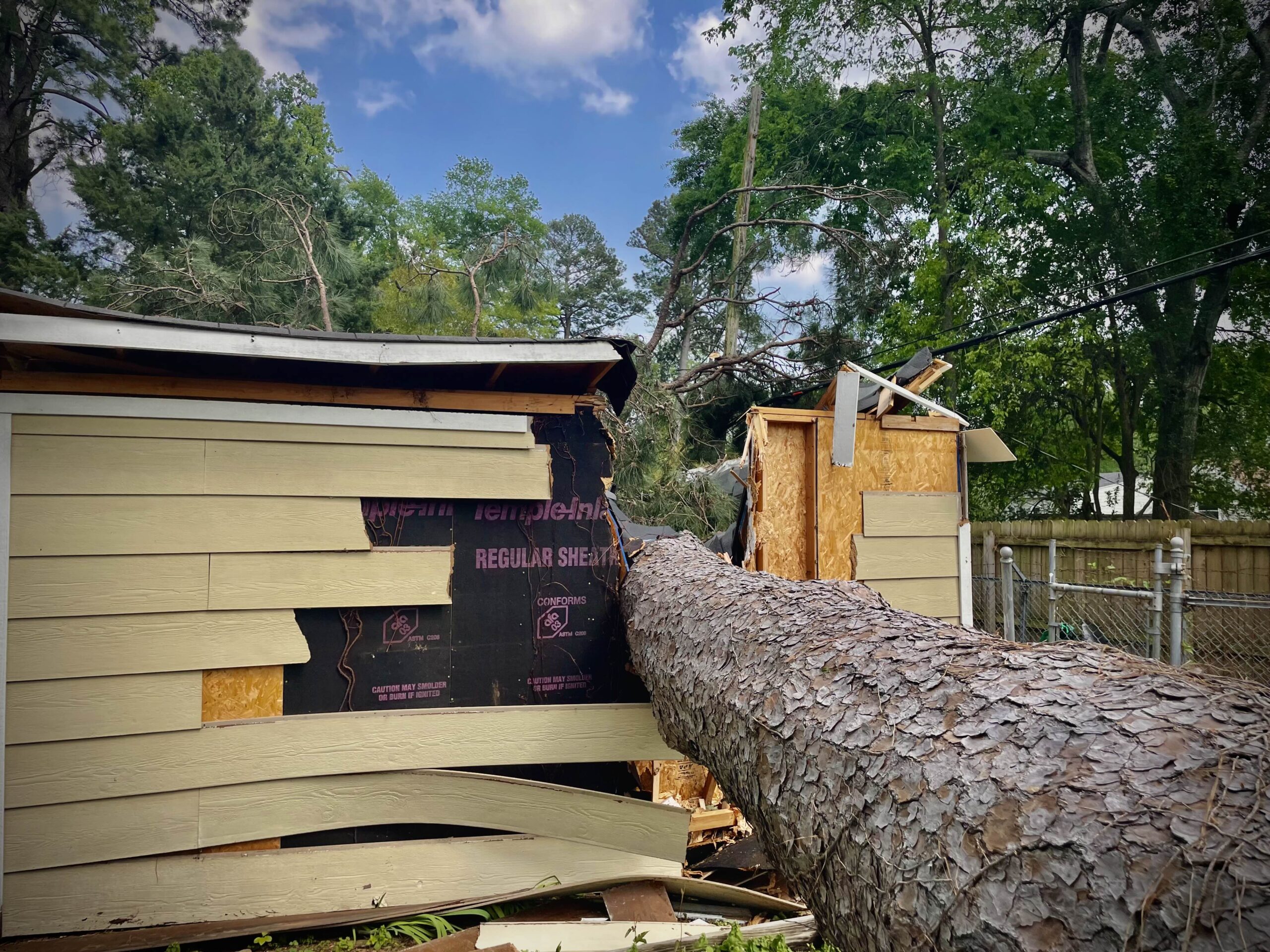
Historic homes were built with different codes, tools, and expectations. Foundations may settle, walls may bow, and wiring or plumbing may be outdated. Construction teams often face the challenge of stabilizing old structures without compromising their historic integrity.
- Blending Old with New
Homeowners often want the charm of the past with the convenience of the present. This means finding creative ways to integrate:
Energy-efficient windows that match original styles
Modern HVAC systems without disturbing historic plaster
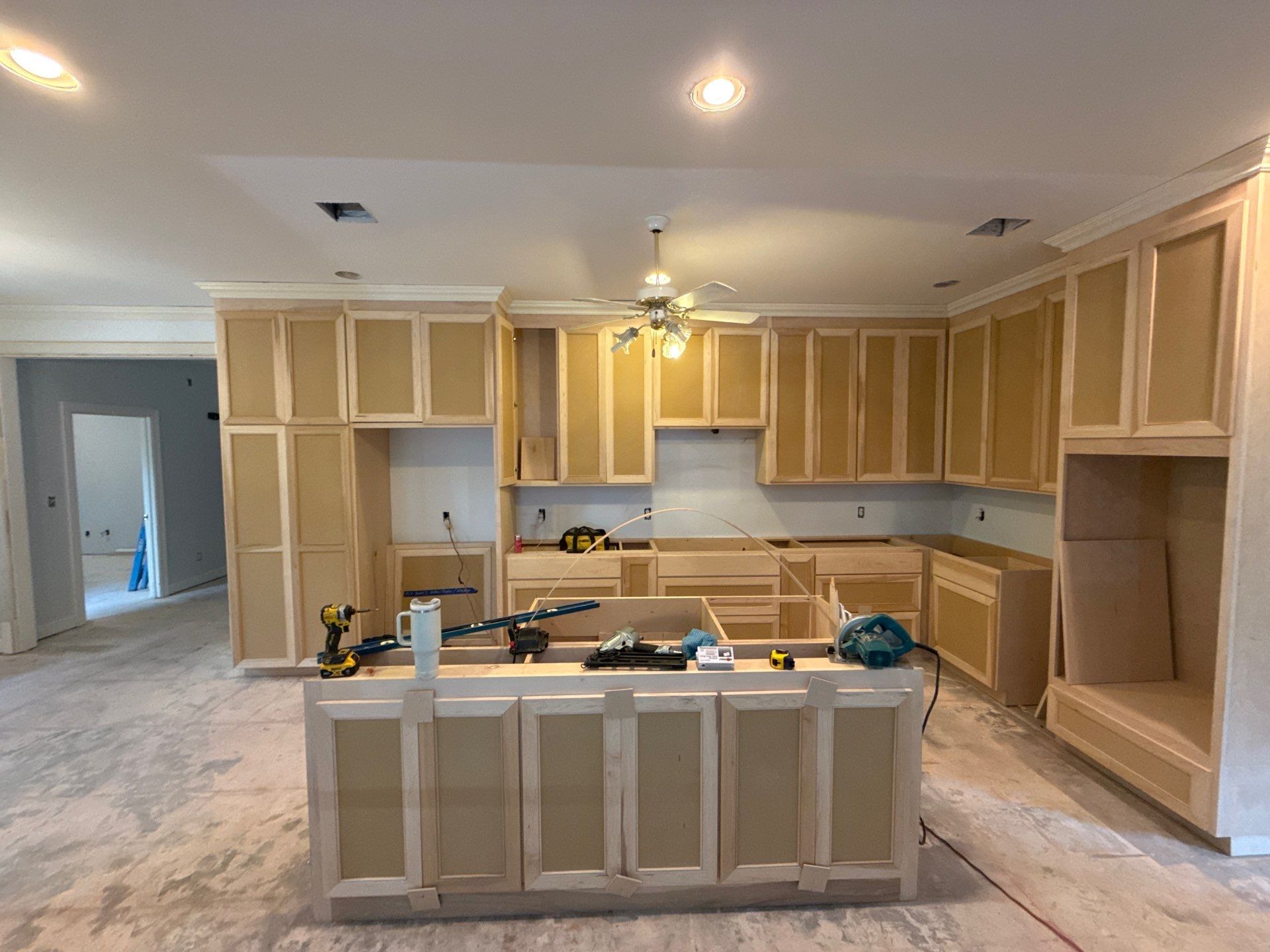
Kitchens and bathrooms with updated function yet period-appropriate finishes
- Navigating Regulations and Preservation Standards
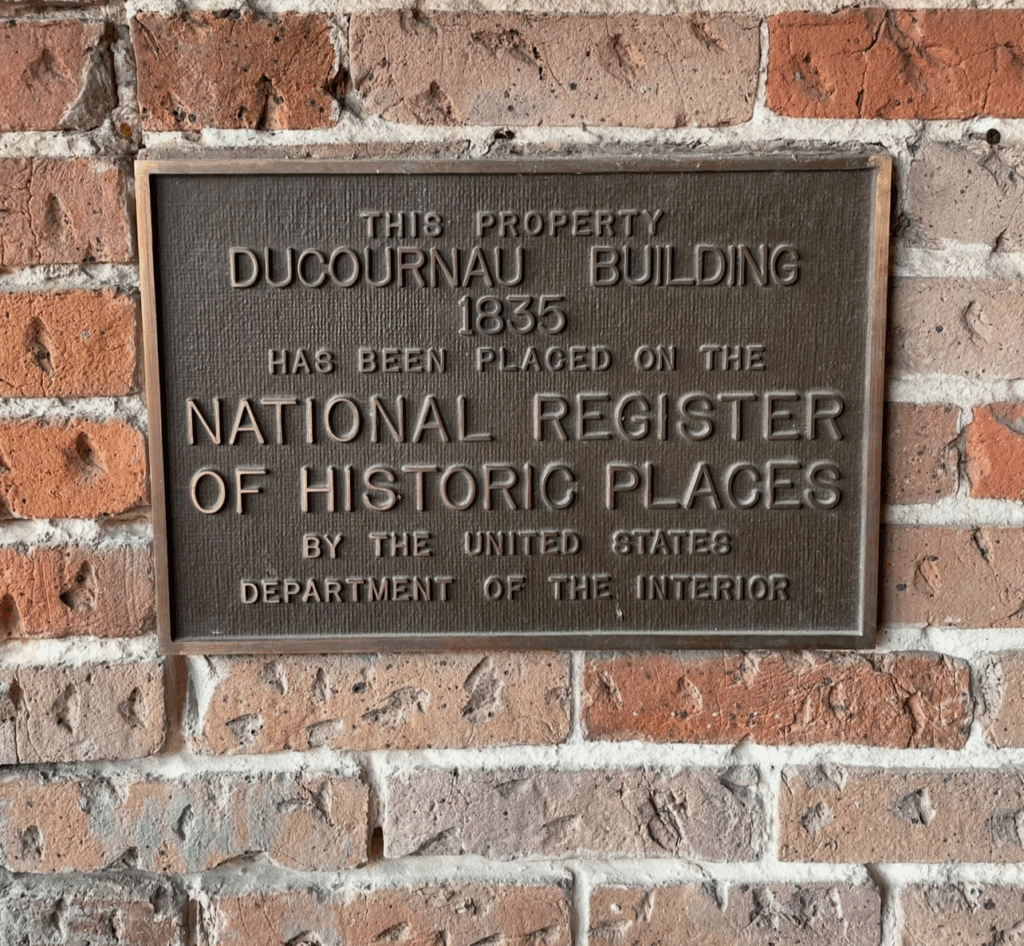
In many areas, historic homes fall under preservation guidelines set by local or national organizations. Construction may require approval from historic commissions to ensure that changes respect the building’s heritage. While this can add time and complexity, it helps safeguard the authenticity of these homes for future generations.
Why Specialized Experience Matters
Not every contractor is equipped to work on historic homes. Skilled tradespeople with knowledge of traditional building methods are essential. Their expertise allows them to repair rather than replace, preserve rather than modernize unnecessarily, and creatively integrate today’s standards without erasing history.
Building the Future by Preserving the Past
Construction in historic homes isn’t just about fixing what’s broken—it’s about stewardship. Every repair and restoration preserves a legacy, ensuring these homes continue to inspire and shelter for decades, even centuries, to come.
By combining respect for tradition with careful modernization, we don’t just maintain old houses, we keep history alive.
Share this story